Growcery
Overview
As food demand rises, so does the environmental impact of grocery shopping, significantly contributing to carbon emissions. Growcery aims to tackle this challenge by providing a digital solution focused on promoting sustainable shopping.
The app empowers users to make mindful choices, reducing their carbon footprint and fostering sustainable shopping habits for positive change.
My contribution
Product strategy User research Product design
The team
1 × product manager 1 × product designer
Year
2024
Challenge
A key challenge in designing Growcery was tackling the lack of awareness around the environmental impact of grocery shopping. Users didn’t have clear information on the carbon footprint of their purchases, making sustainable choices difficult. The goal was to engage users while educating them and offering actionable insights.
Solution
To design an engaging and user-friendly app, I started with secondary research to uncover challenges in the problem space. User interviews and focus groups provided deeper insights into user behaviour and preferences. These findings informed the app’s features, ensuring they were intuitive and aligned with user needs.

Empathy
Secondary Research
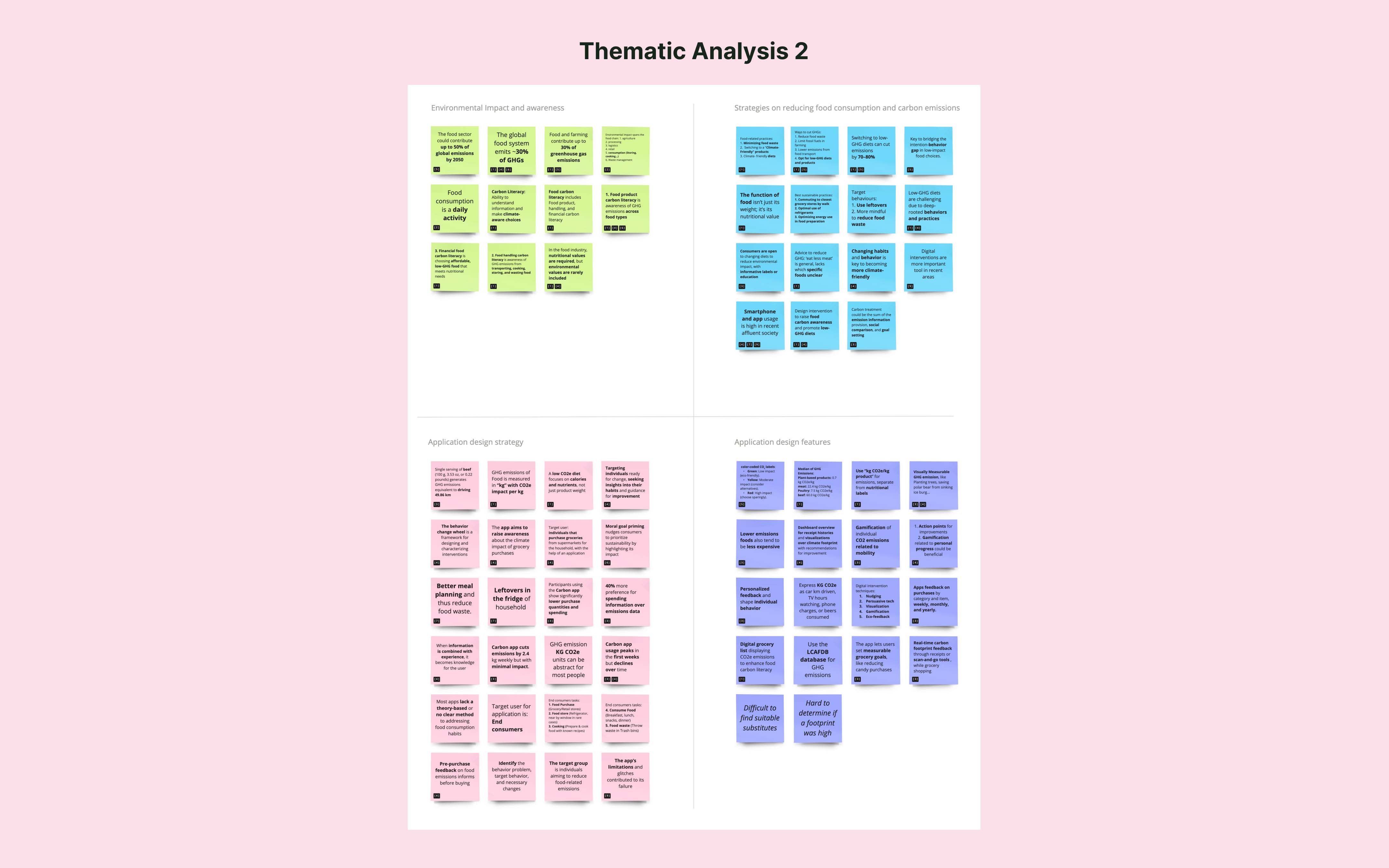
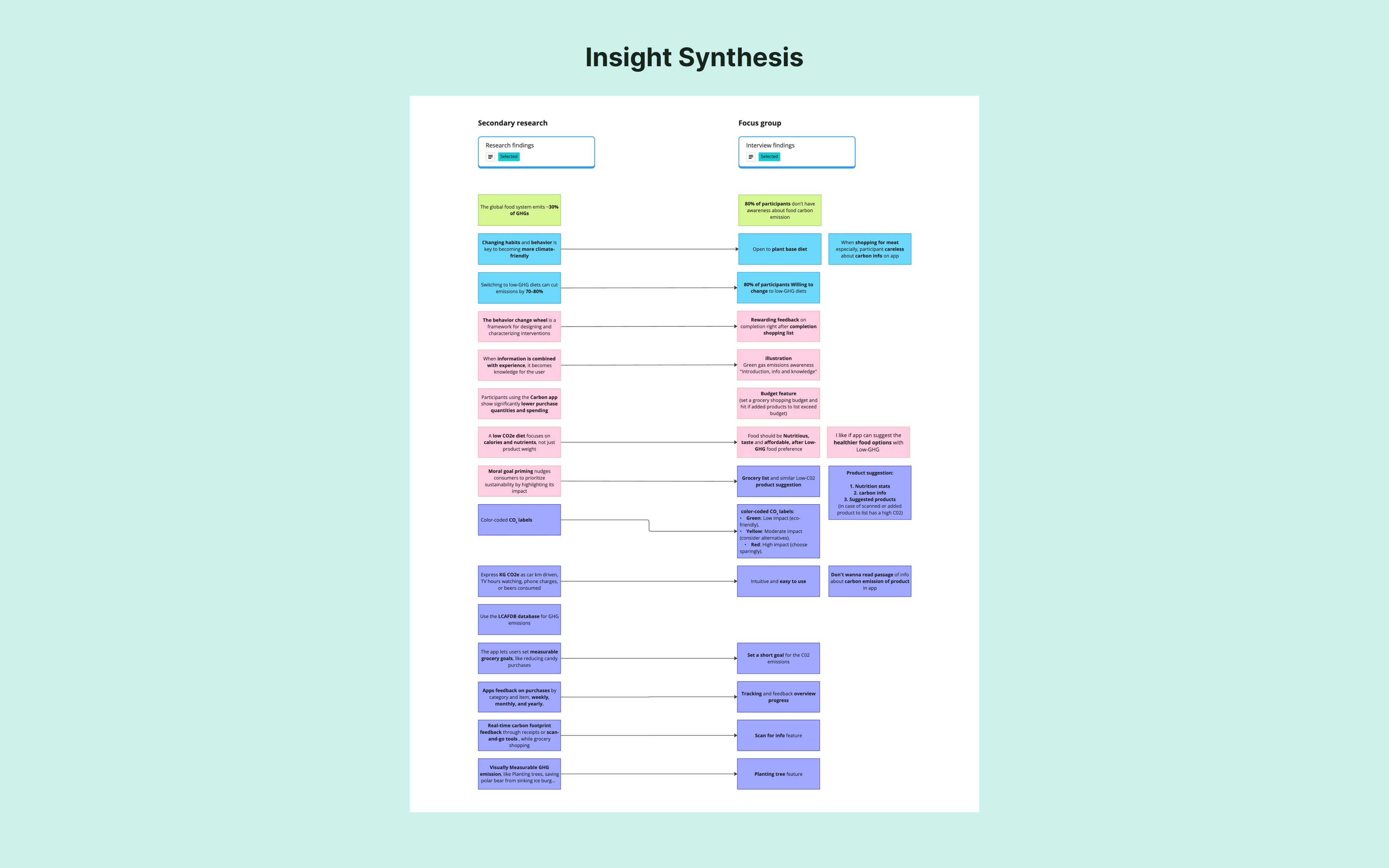
Secondary research laid the foundation for quantitative analysis. Resources like research articles, journals, theses, and reports were sourced from platforms such as Google Scholar and public libraries. Key insights were documented in Miro and refined through thematic analysis to identify patterns.
Key Research Insights
- Food production contributes ~30% of global emissions, with animal-based foods as key emitters.
- Low-GHG diets can cut emissions by up to 80% and reduce personal footprints by 22%.
- Deep-rooted dietary habits make sustainable choices challenging.
- Consumers lack clear guidance on replacing high-emission foods.
- Low-emission foods are cheaper, but cost often outweighs emissions awareness.
- Digital tools can enhance carbon literacy with real-time insights.

User Interviews
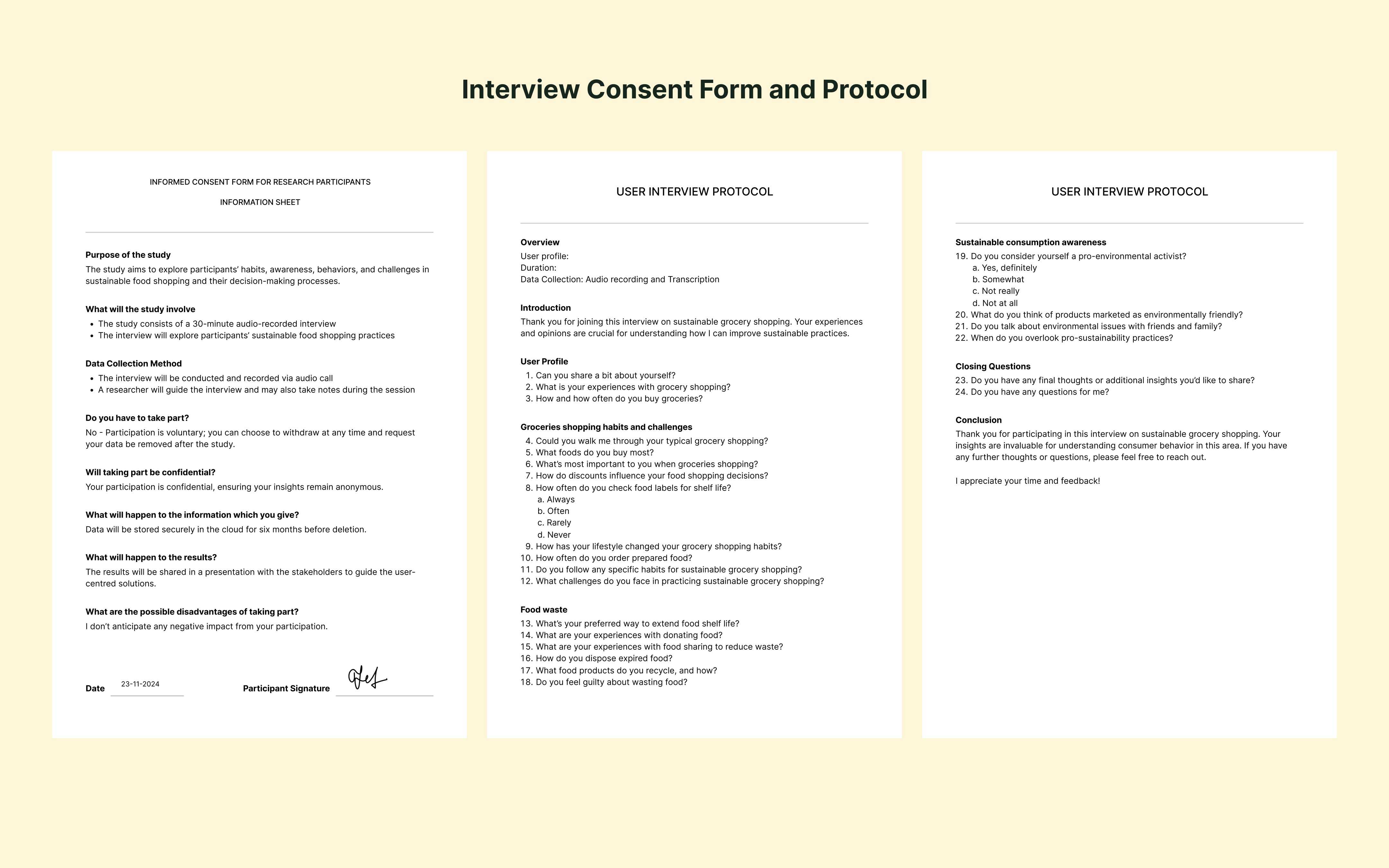
The interview was conducted to gather into user behaviour, needs, and their pain points.
Participant Profile
- 4 participants from diverse countries
- Ages ranged from 20 to 28 years
- All participants had prior grocery shopping
- Conducted via an audio call, following a semi-structured format
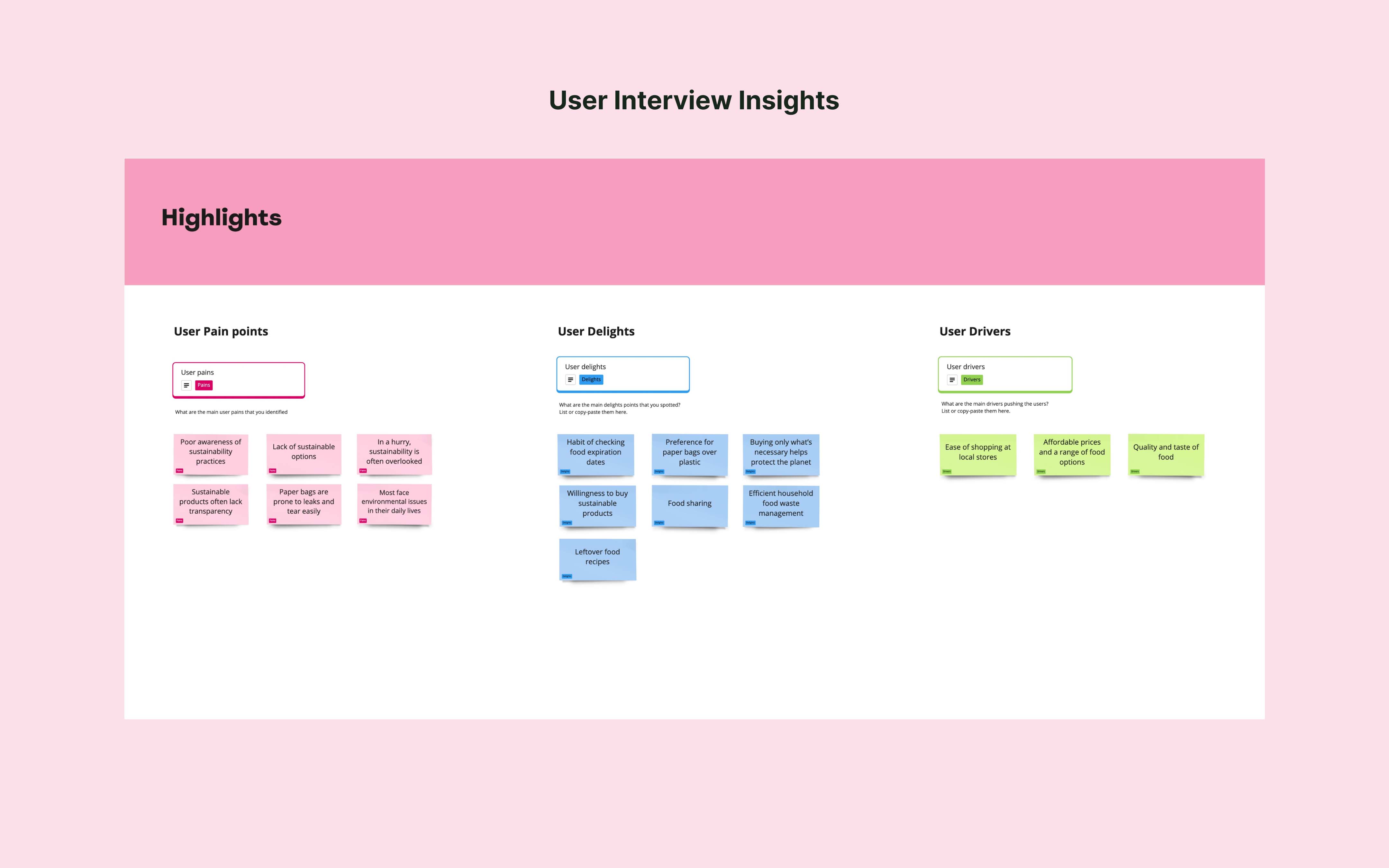
User Interview Findings
- Users lack understanding of sustainable food practices.
- Focus on plastic overshadows food consumption’s impact.
- Quality and price outweigh sustainability in decisions.
- Users distrust eco-friendly product claims and availability.
- Busy schedules hinder sustainable choices.
Focus Group
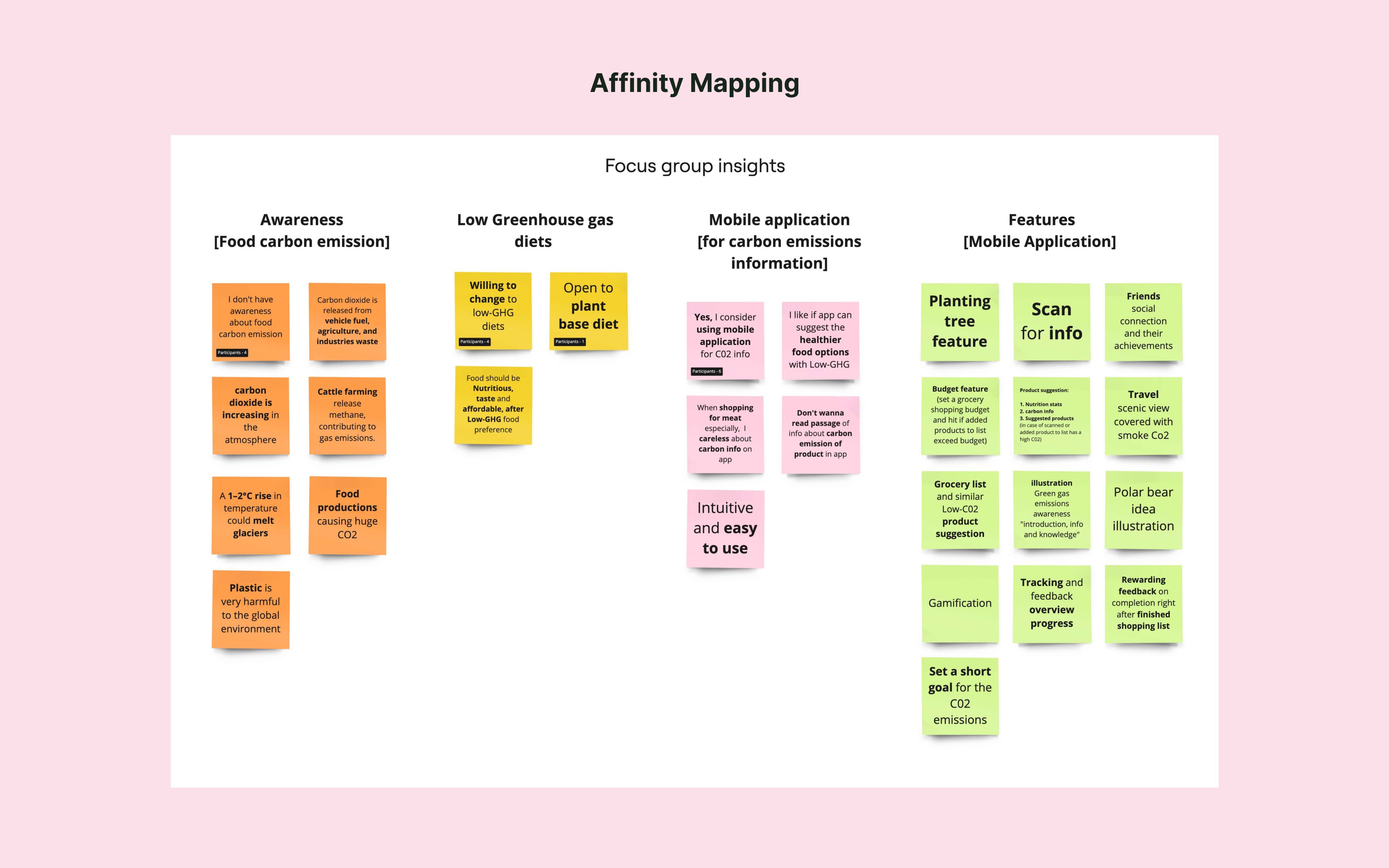
A focus group was conducted to gather qualitative insights into users’ awareness of food-related carbon emissions and explore potential solutions.
Participant Profile
- 6 participants from diverse countries (India, China, France, Singapore)
- Ages ranged from 22 to 32 years
- All participants had prior grocery shopping experience
- Conducted via an online video call, following a semi-structured format
Focus Group Findings
- Limited awareness of food carbon emissions highlights educational needs.
- Openness to low-GHG diets and interest in carbon-tracking apps.
- Preference for simple, accessible emission's information.
- Importance of nutrition, taste, and affordability in sustainable choices.
- Carbon data on meat purchases often ignored, requiring targeted solutions.
User Persona
The user persona was created by combining insights from research and interviews to represent the target audience’s behaviors, goals, and challenges. It served as a key reference during design and testing phases, ensuring the solutions stayed aligned with user needs and project goals.

Define
Problem and Insights
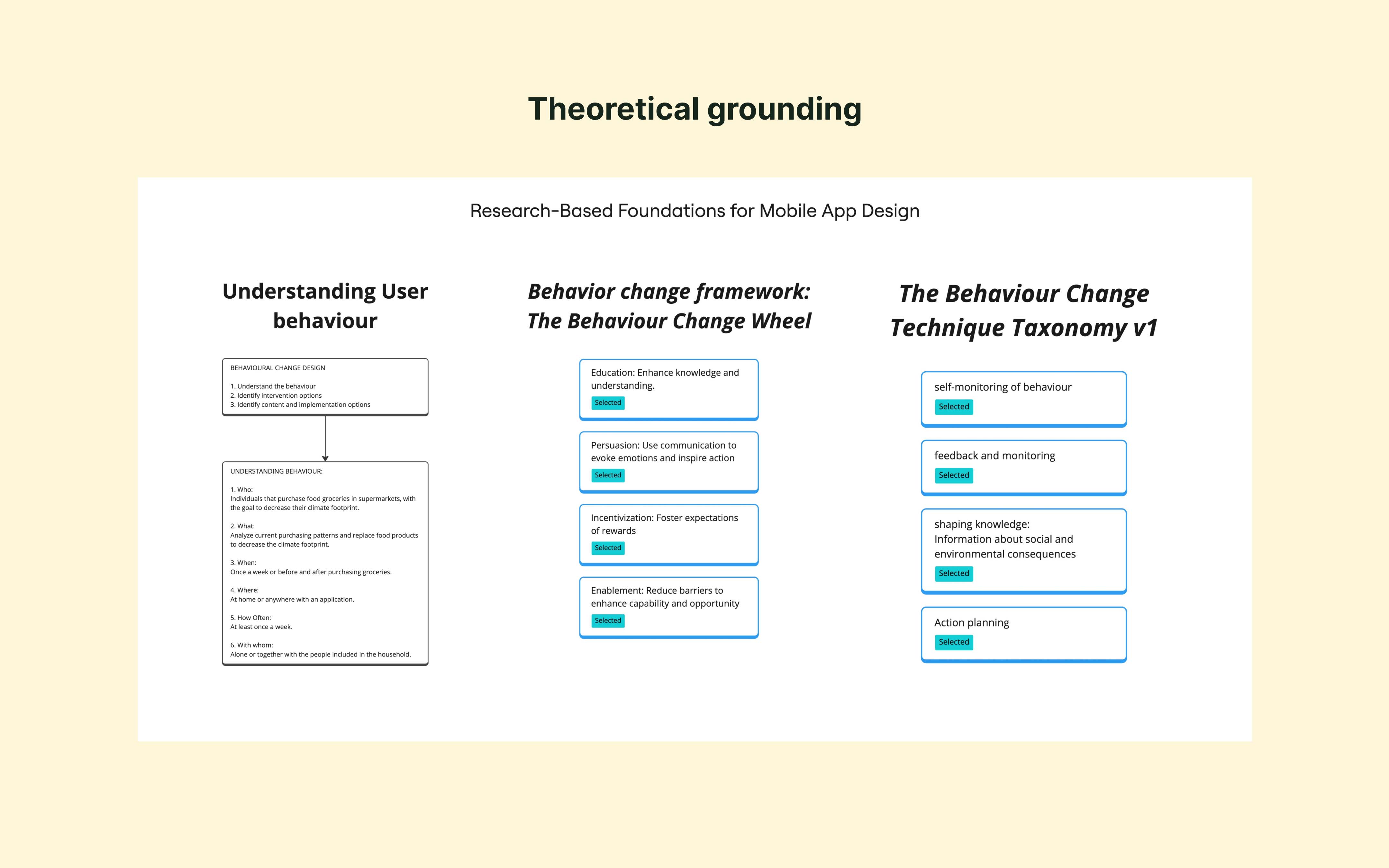
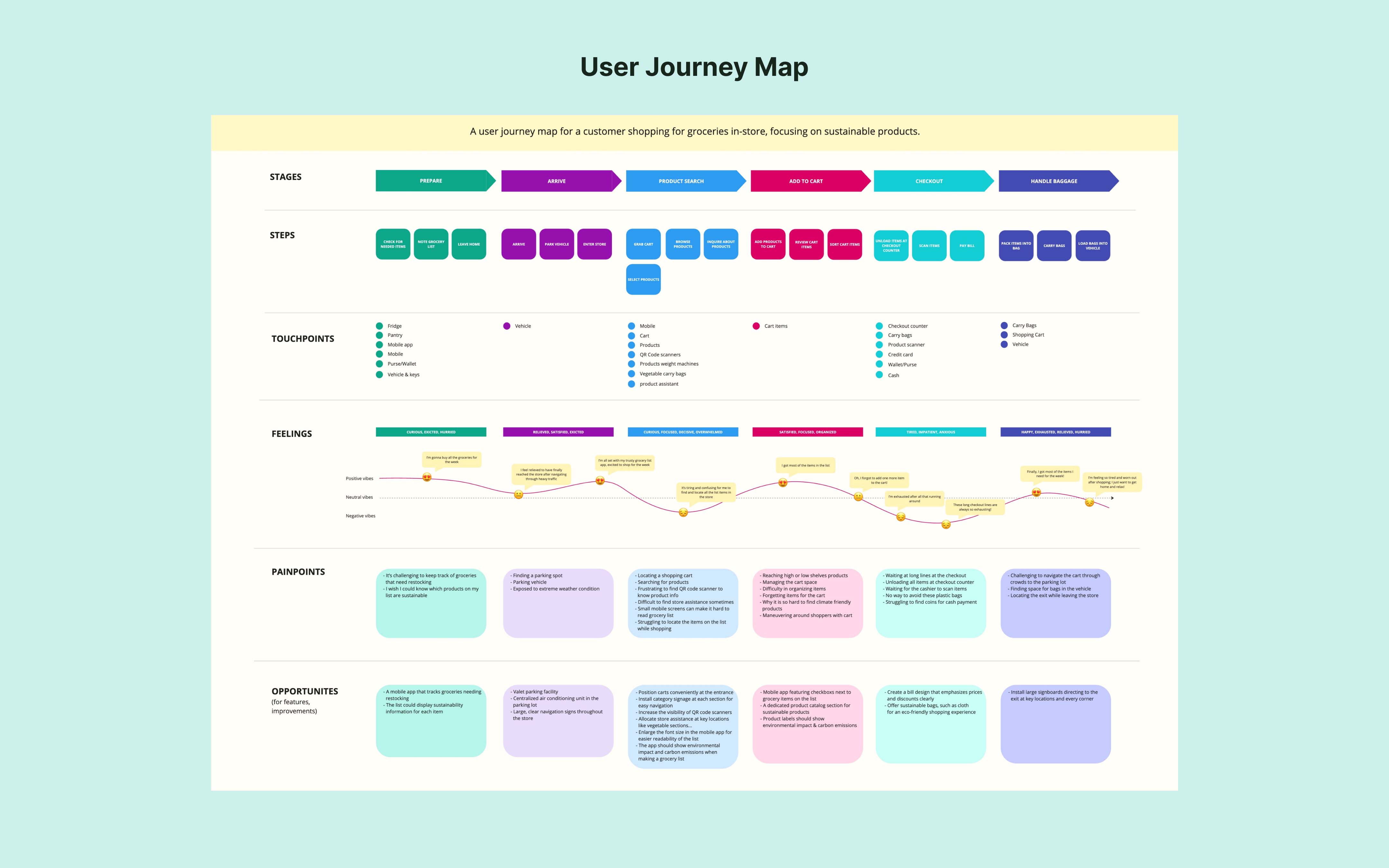
I analyzed the research insights to define the problem statement and user needs, focusing on key pain points and goals. This led to the creation of a clear “How Might We” question, guiding the design process.
How might we support people in gaining awareness of food consumption and carbon emissions’ environmental impact, motivating them to shop more sustainably?
This stage provided clarity and direction, ensuring the solutions effectively addressed user challenges and sustainability objectives. These insights became the foundation for ideation and design decisions.
Ideate
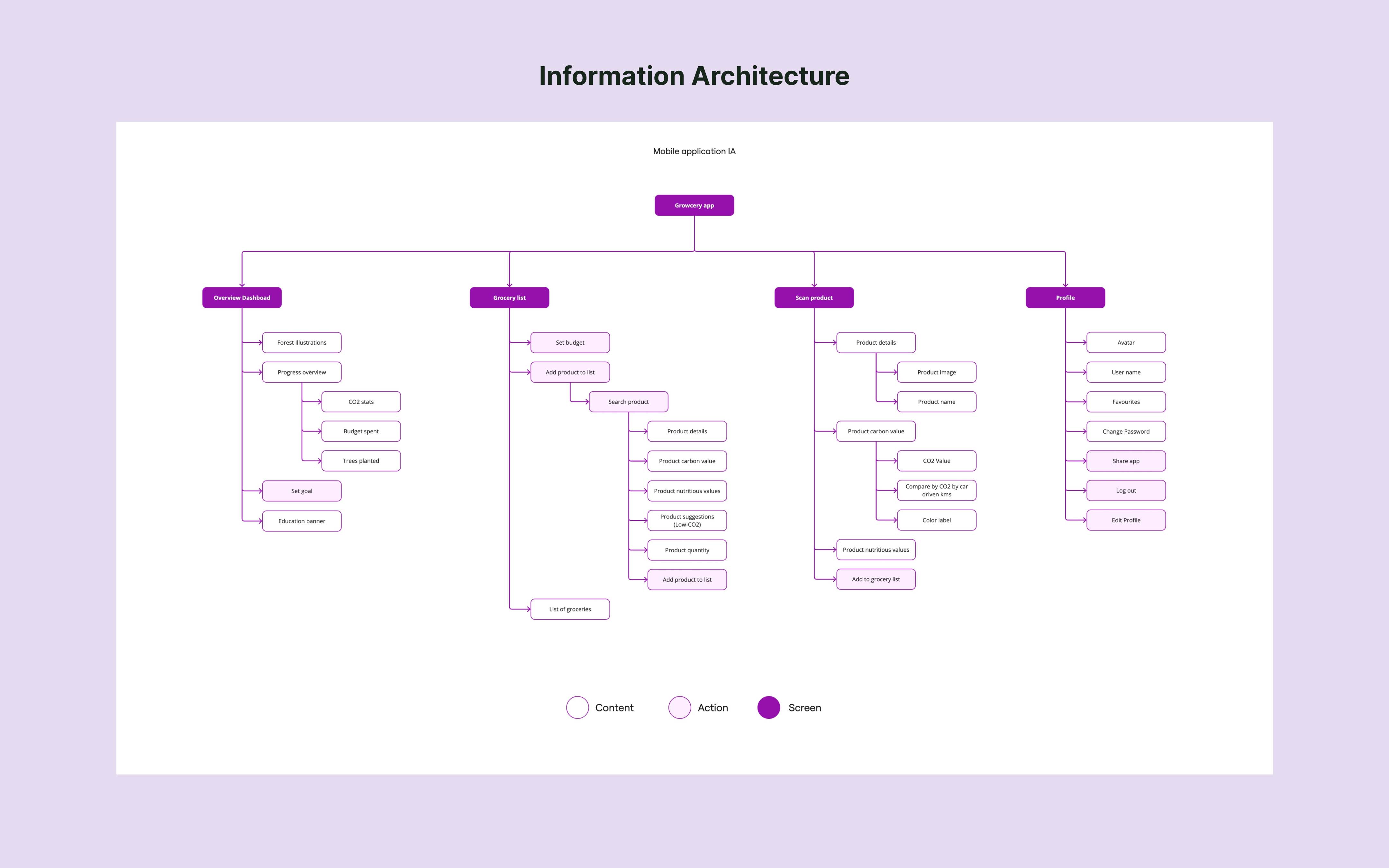
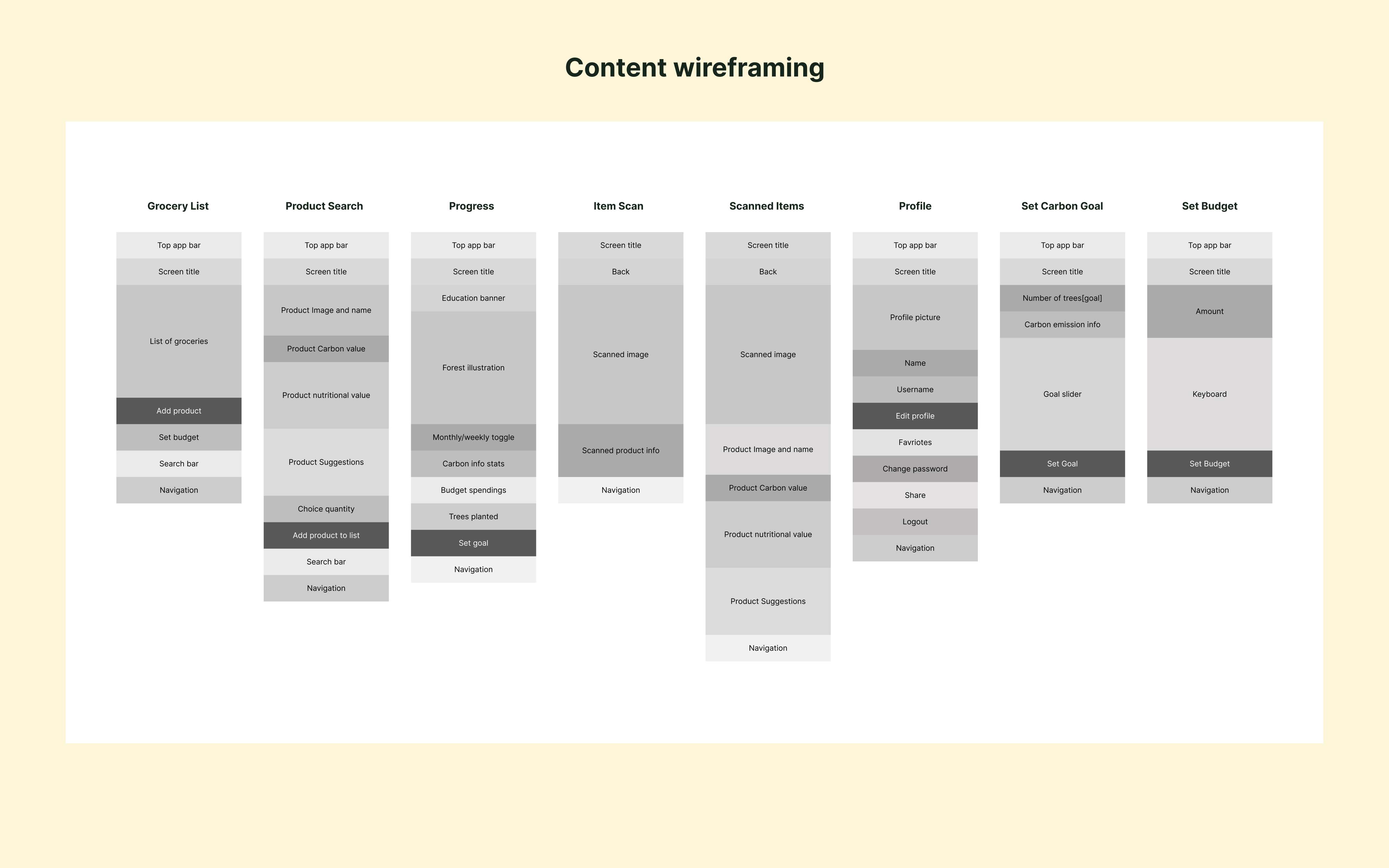
Information Architecture
A key part of the IA strategy was creating smooth, intuitive navigation. Content was prioritized based on its importance to users’ goals. This approach ensured that users could easily access the most relevant information, like carbon footprint data, helping them make sustainable choices quickly and effortlessly.
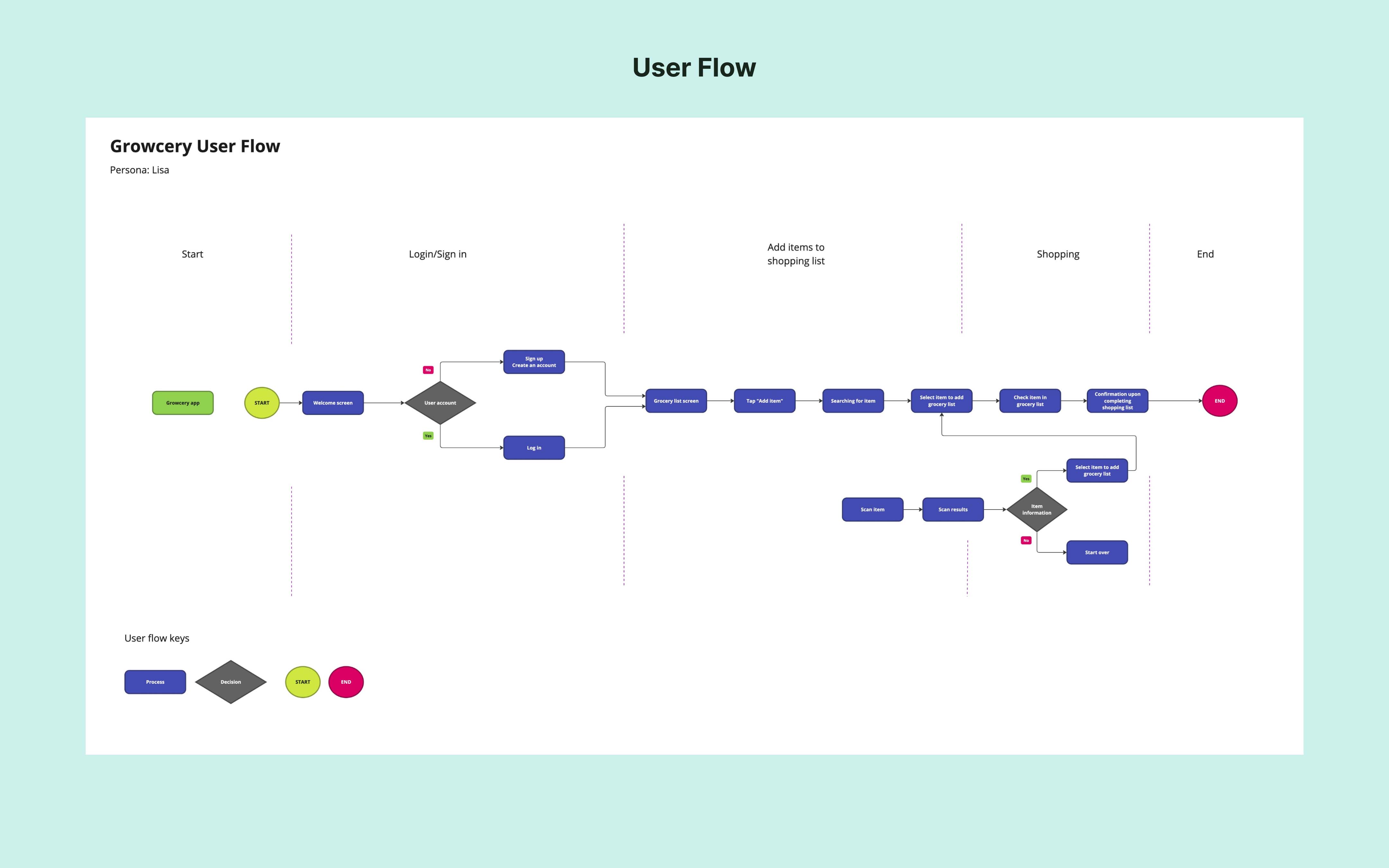
User Flow
The user flow was designed for a smooth, efficient journey through the app. Each step, from opening the app to making sustainable choices, was mapped to ensure easy navigation. Key actions like creating a grocery list, scanning products for carbon data, and tracking progress were simplified, minimizing unnecessary steps and guiding users toward their goals with ease.
Mid-Fidelity Wireframes
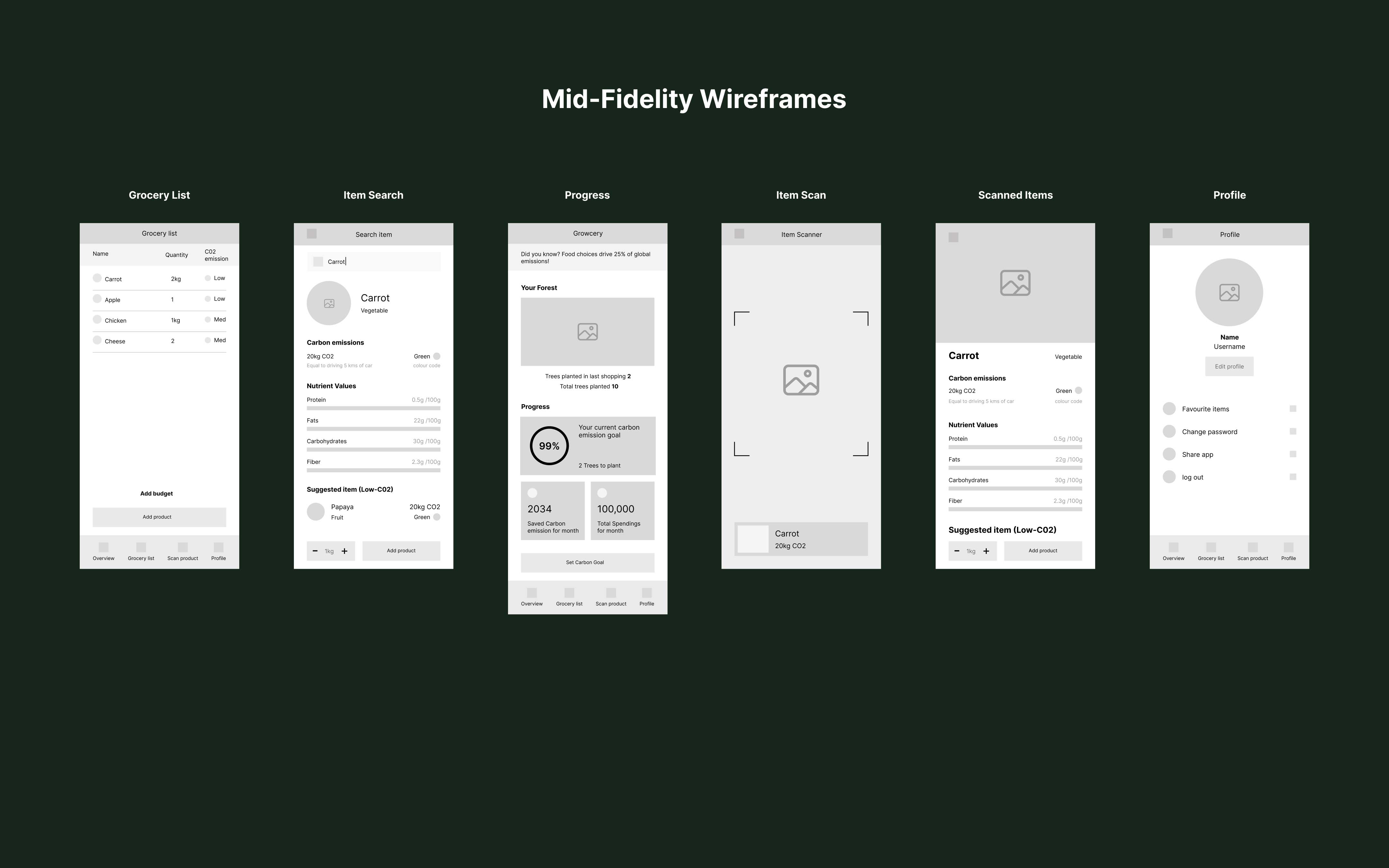
Mid-fidelity wireframes were developed to outline the app’s structure and functionality, emphasizing user flow and core interactions. These wireframes incorporated gamification elements, such as progress tracking and rewards, to encourage user engagement and sustainable behaviour.
Key design decisions included grouping related features for intuitive navigation and creating a distraction-free interface to keep the focus on actionable tasks, ensuring usability and clarity before progressing to high-fidelity prototypes.
Prototype
Design System
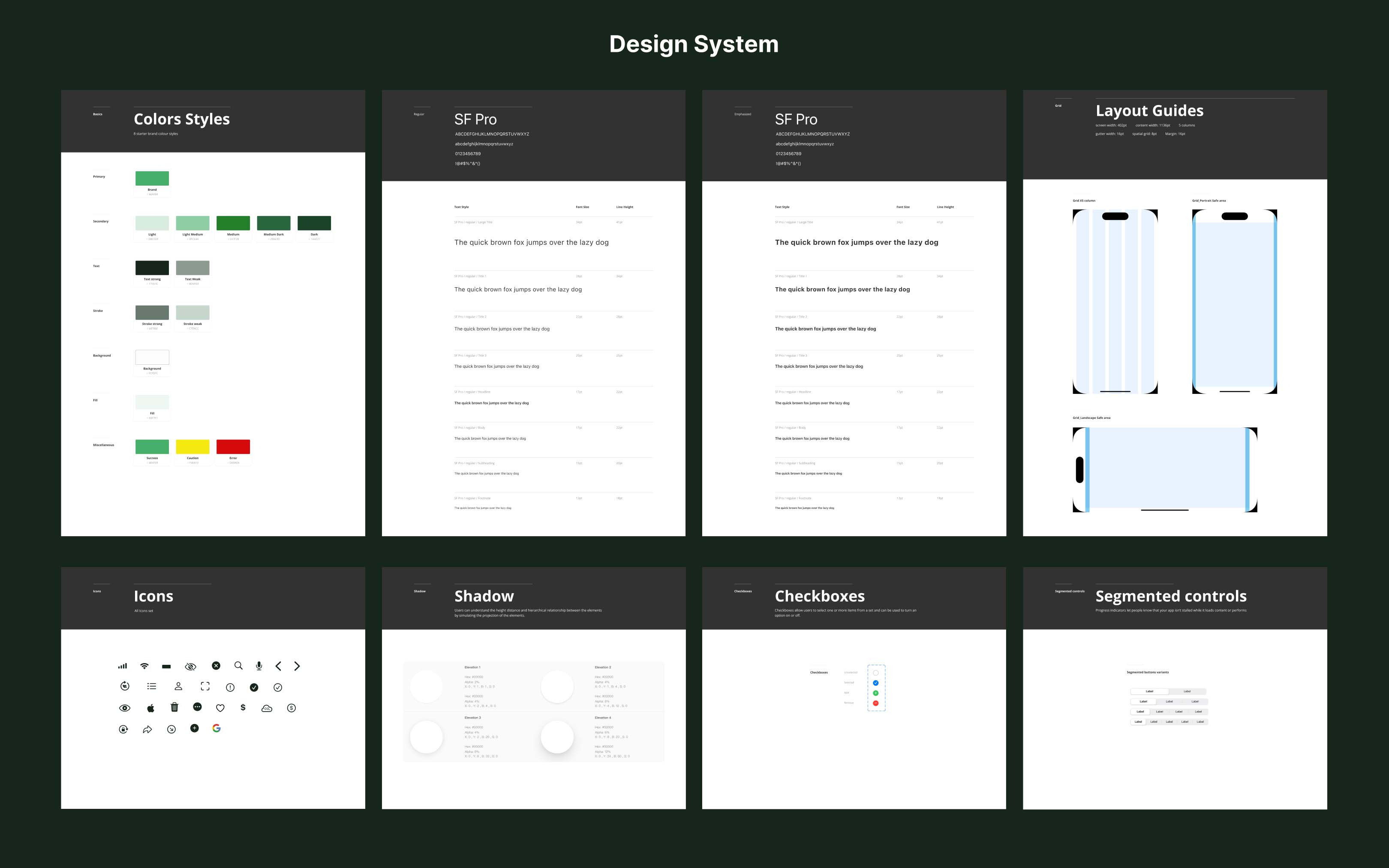
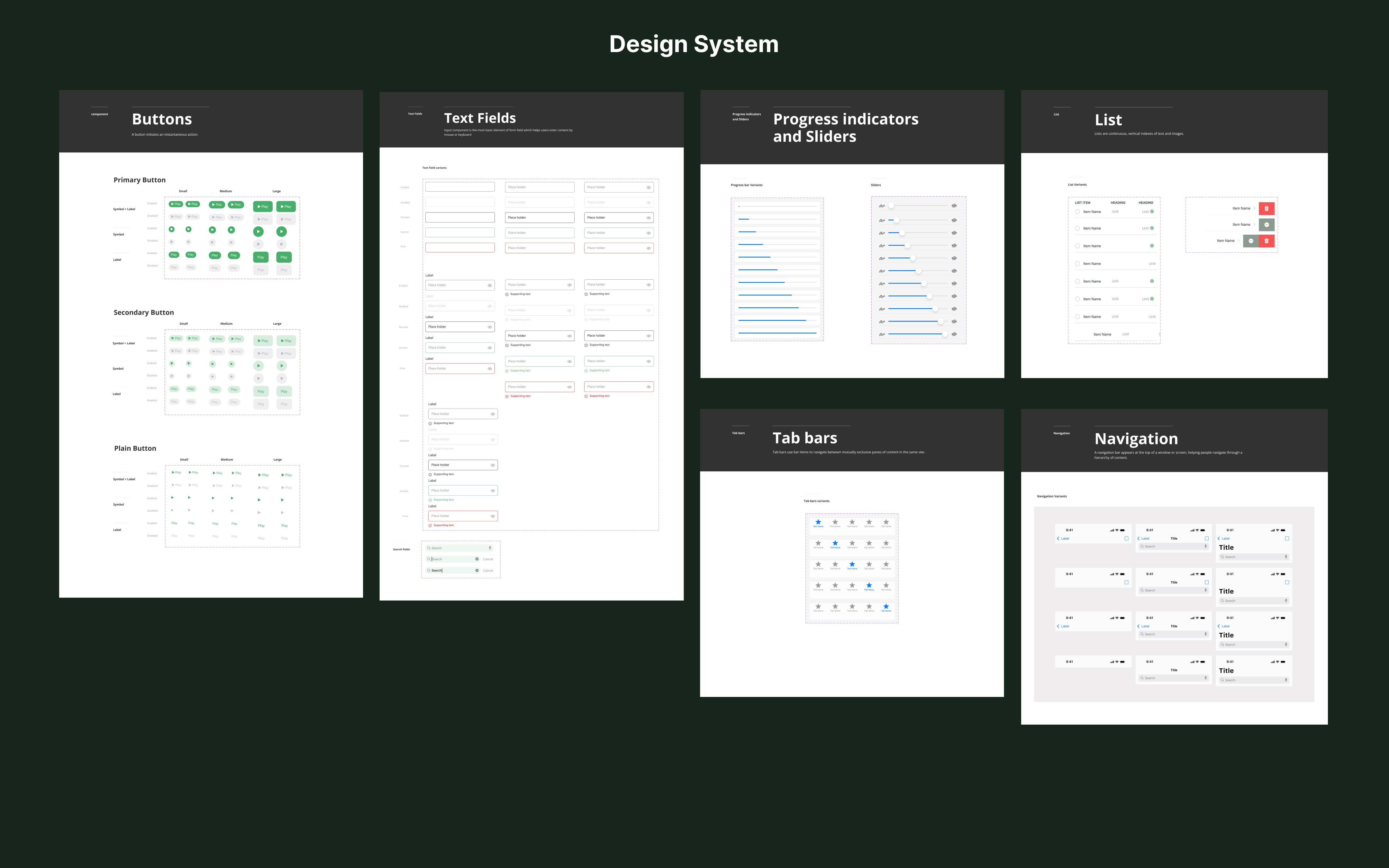
The design system ensured consistency across the app using an atomic design approach. I started with atomic elements like colors, typography, grids, shadows, and icons. These built the foundation for molecules, including buttons, checkboxes, text fields, and lists, which were then combined into organisms like navigation menus and tab bars. This approach created a cohesive and scalable design framework.
Scalable systems simplify complex experiences.
High-Fidelity Wireframes
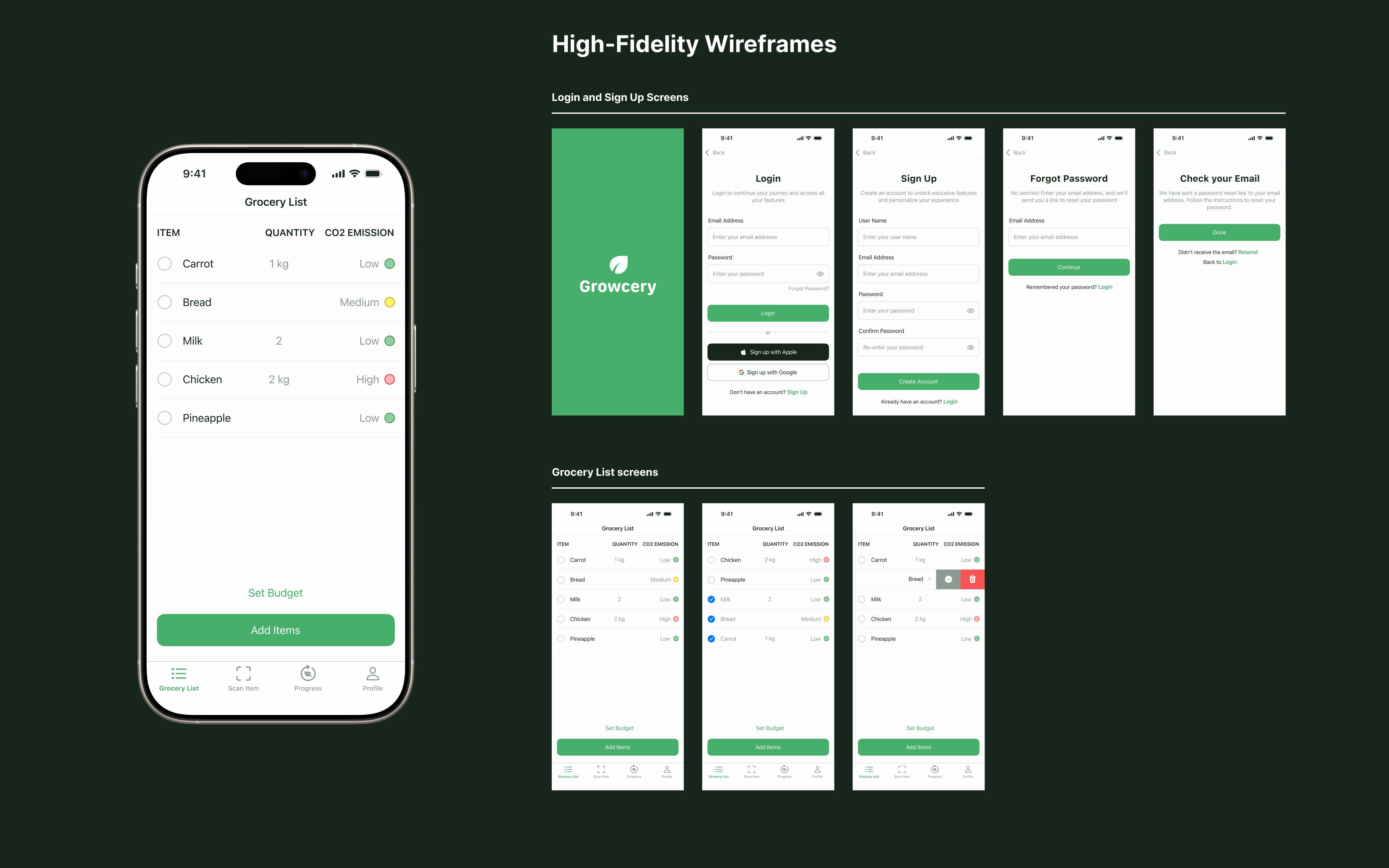
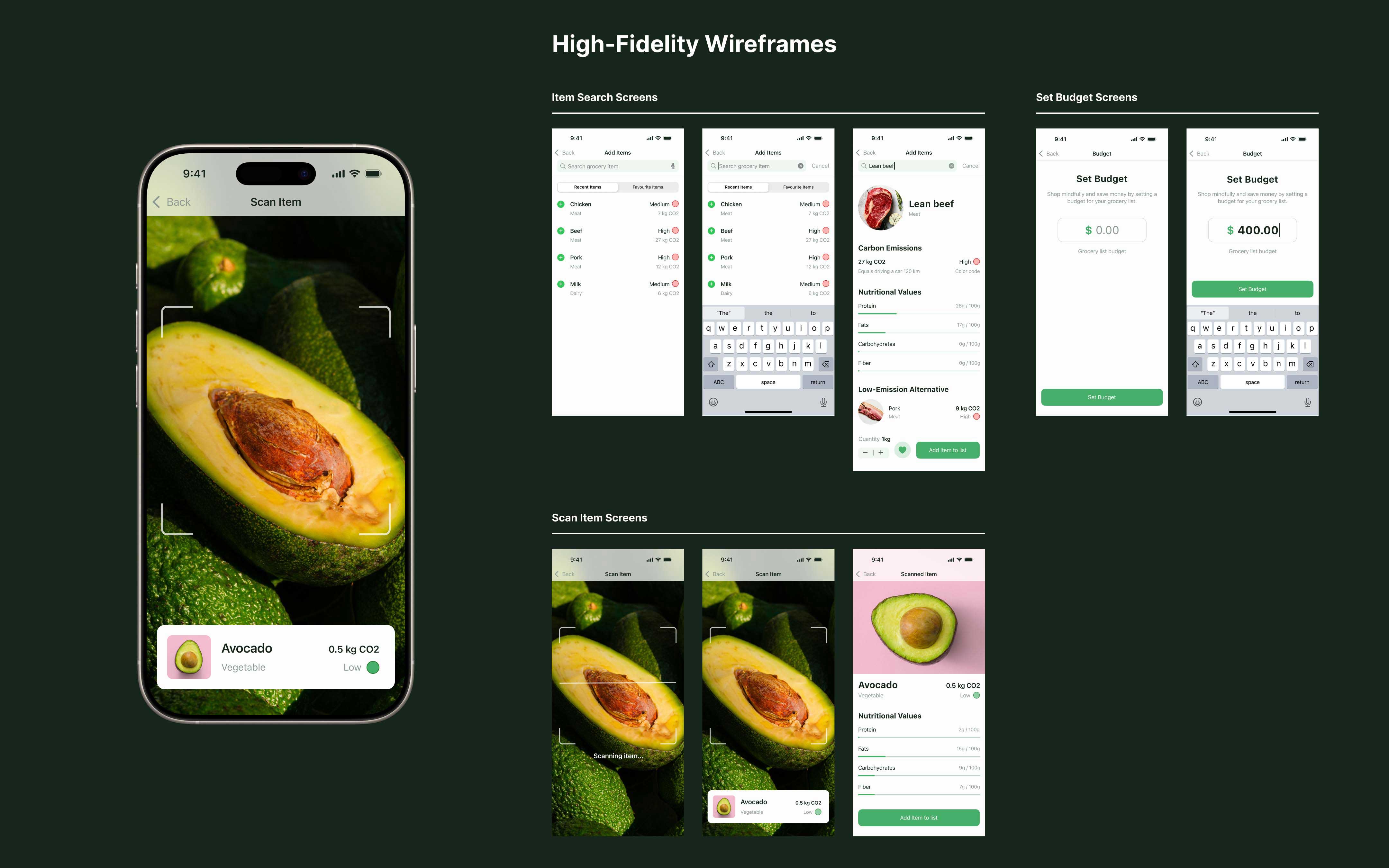
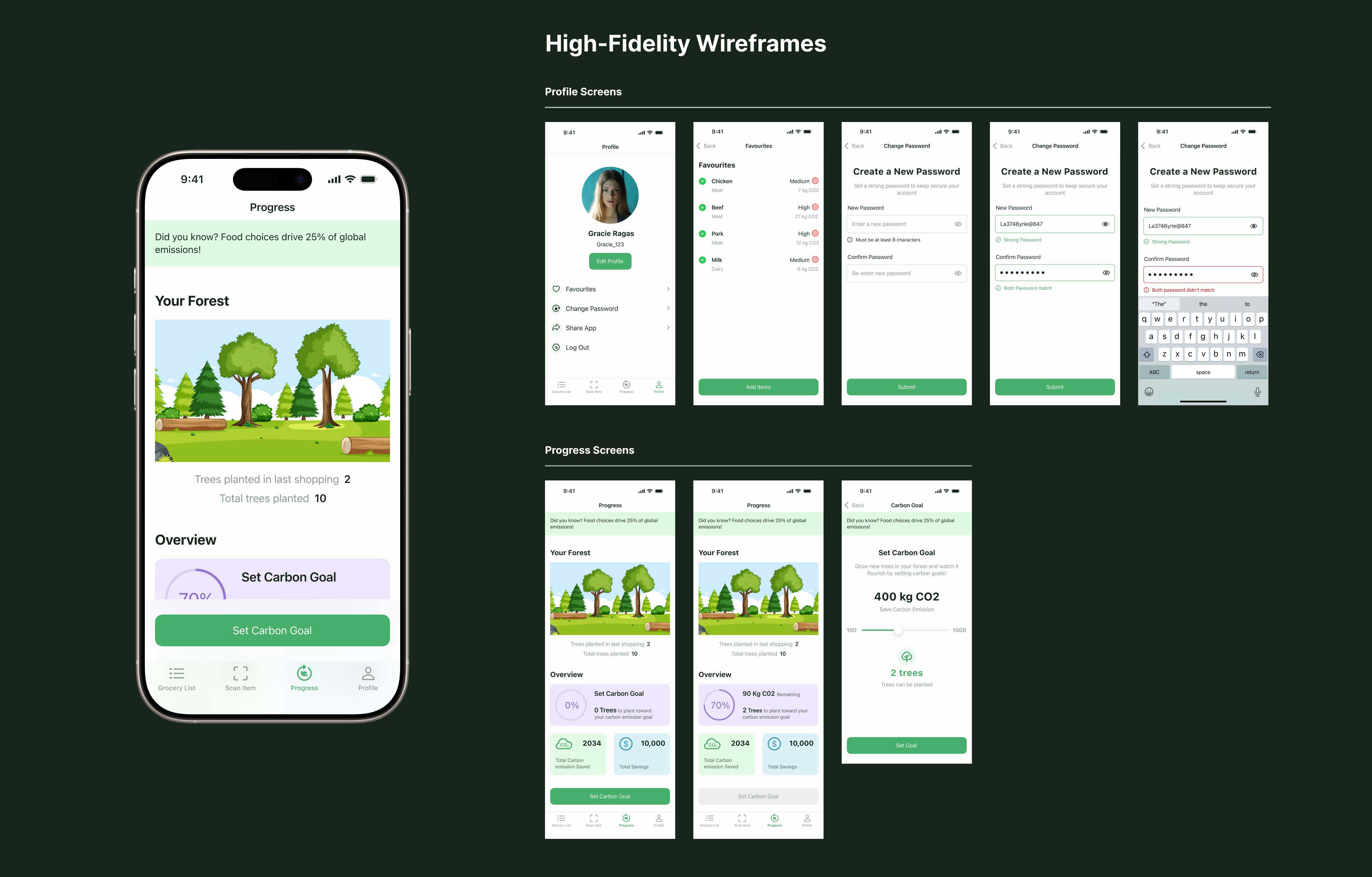
I followed iOS design guidelines to ensure consistency and usability. Visual hierarchy was established using colour, typography, and white space, making the design clear and easy to navigate. Soft, natural colours were selected, with green chosen to reinforce the eco-friendly theme. The layout remains simple and clean, prioritizing clarity, and accessibility.
Test
Usability Testing
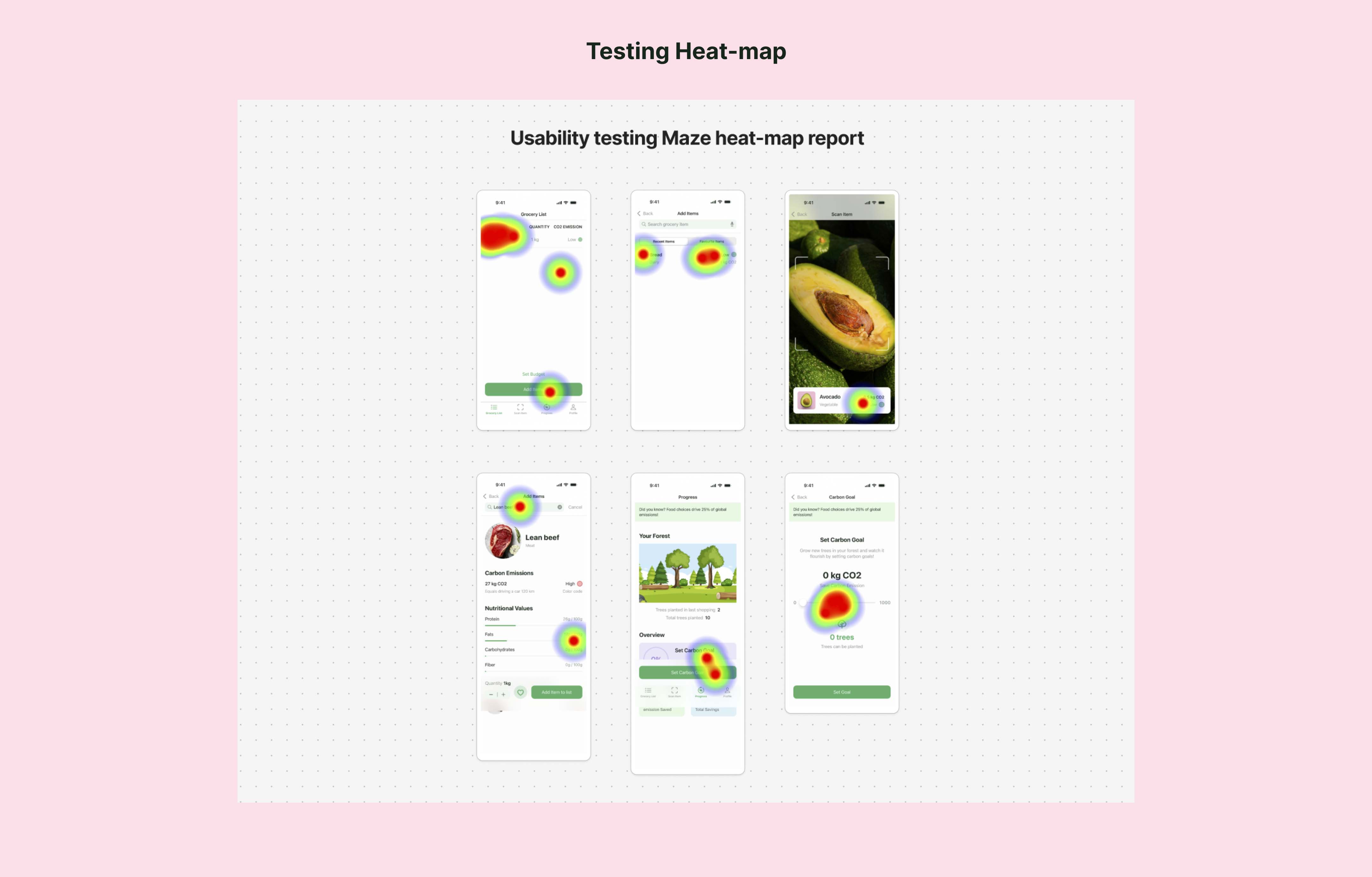
I tested three crucial flows with 12 participants through an online session using Maze. This approach helped refine the flows and designs, achieving a 95% success rate. Participants’ feedback offered key insights to improve the user experience.
Tested Flows
Task 1 : Add an item to the grocery list by searching for the item (21.7s Avg. duration)
Task 2 : Scan an item to read information and add it to the grocery list (20.9s Avg. duration)
Task 3 : Set a carbon emission goal to grow your virtual forest (23.5s Avg. duration)
Wins
- Participants found the task flows clear and easy to navigate
- The concept of growing a forest by reducing carbon emissions was well-received and considered successful
- Gamification elements tied to the carbon goal and forest growth were easily understood
- Achieved a 96% success rate during testing
Opportunities
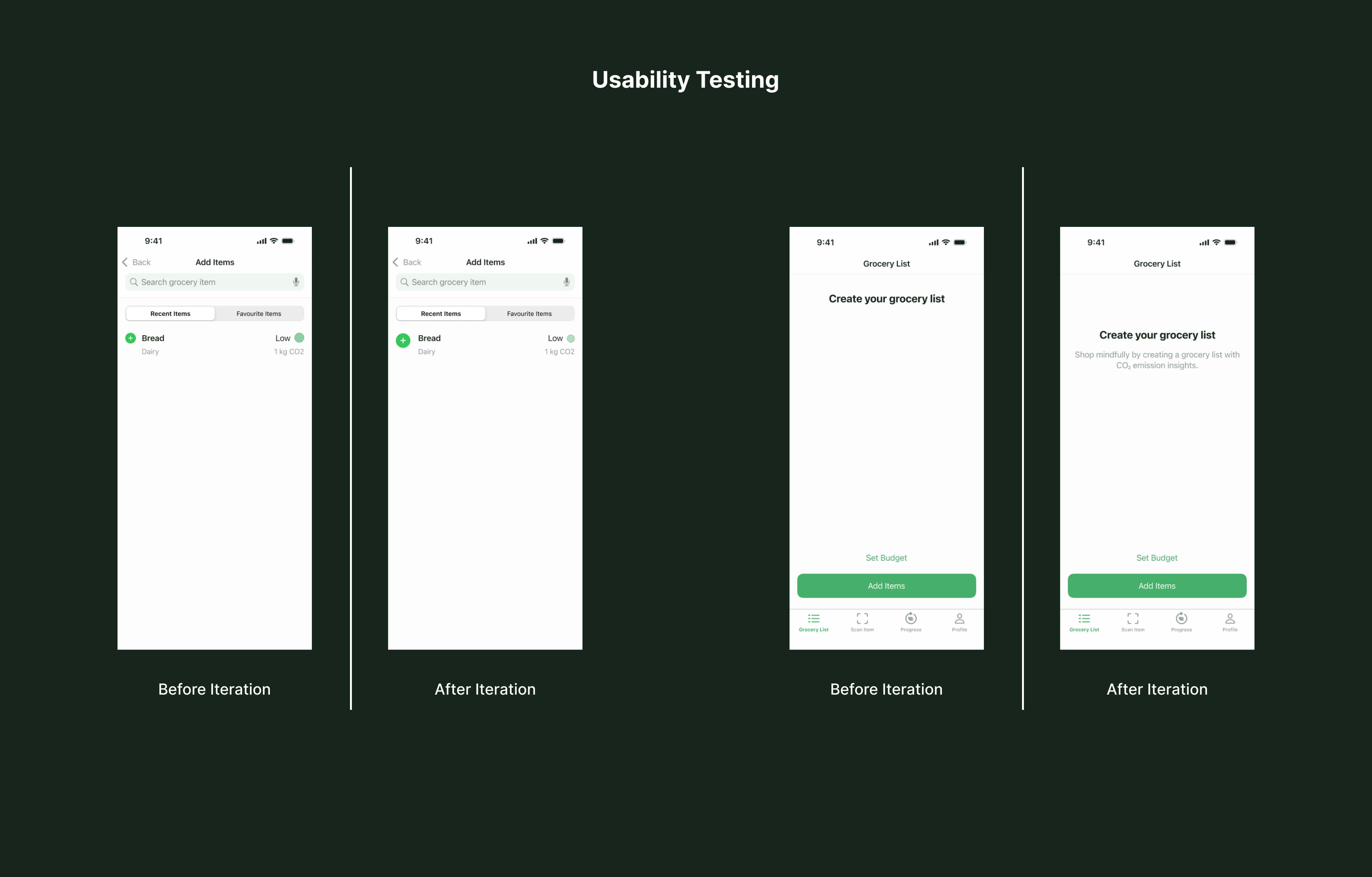
- Participants struggled to distinguish the “add icon” from the green colour coding of items on the recent and favourites screens.
- Contextual text is needed to explain carbon emission concepts before creating a grocery list.
- Low-emission alternative suggestions for added items lacked clarity and visual hierarchy.
The Outcome
With a 96% success rate in user testing, the app’s intuitive design and gamification have effectively driven engagement and encouraged environmental responsibility. The stakeholders feedback has been highly positive. It is on track for further development, with refinements based on user feedback for continued success.